

Deciphering gene function. Understanding disease biology.
RNA silencing with no transfection reagent. From difficult-to-transfect cells to in vivo applications.
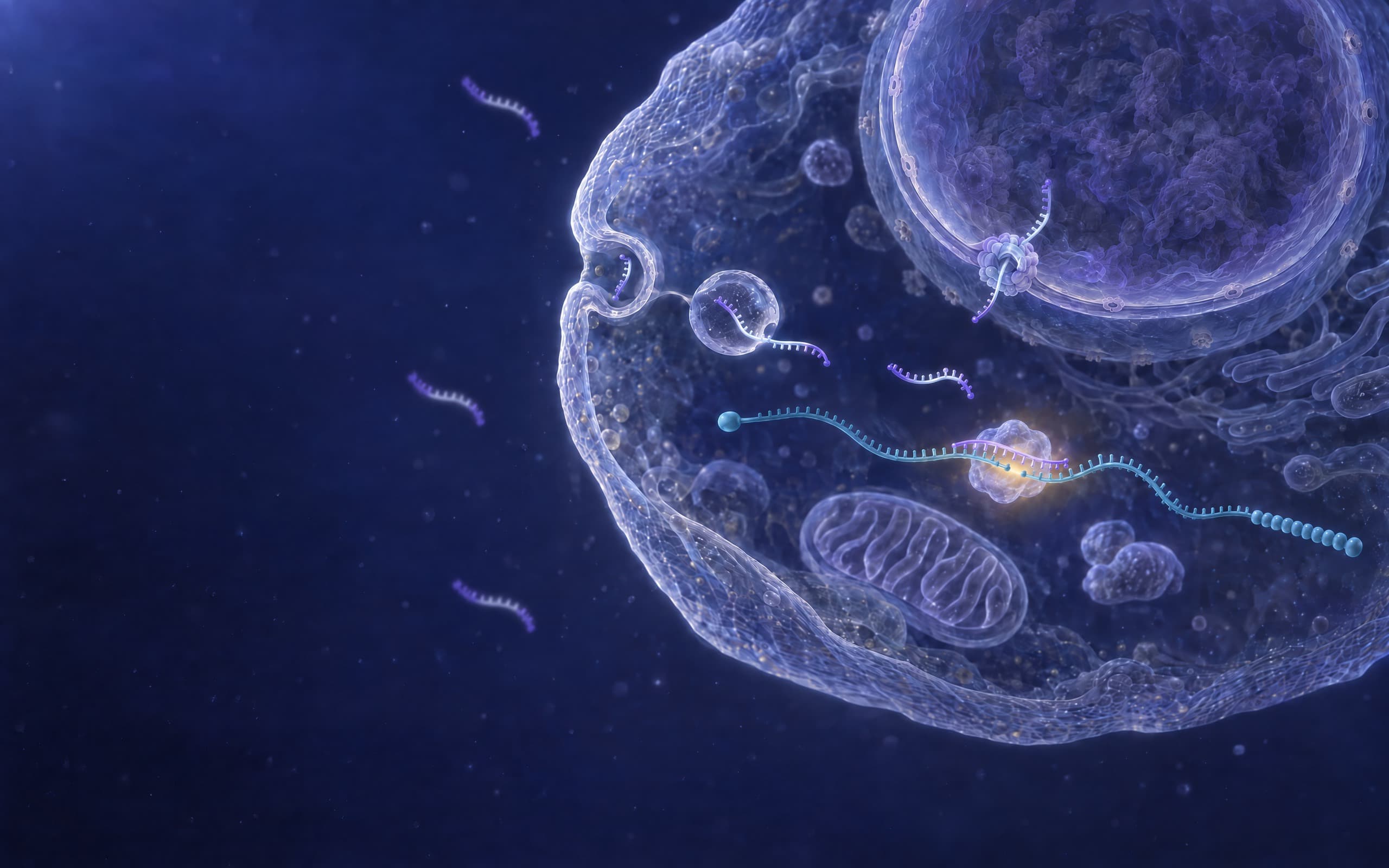
Sequence design
The AUMsilence platform
Every sequence is designed using the AUMsilence platform that can target a gene, microRNA, long non-coding RNA, or viral RNA. Each sequence is checked for specificity against the transcriptome before synthesis.
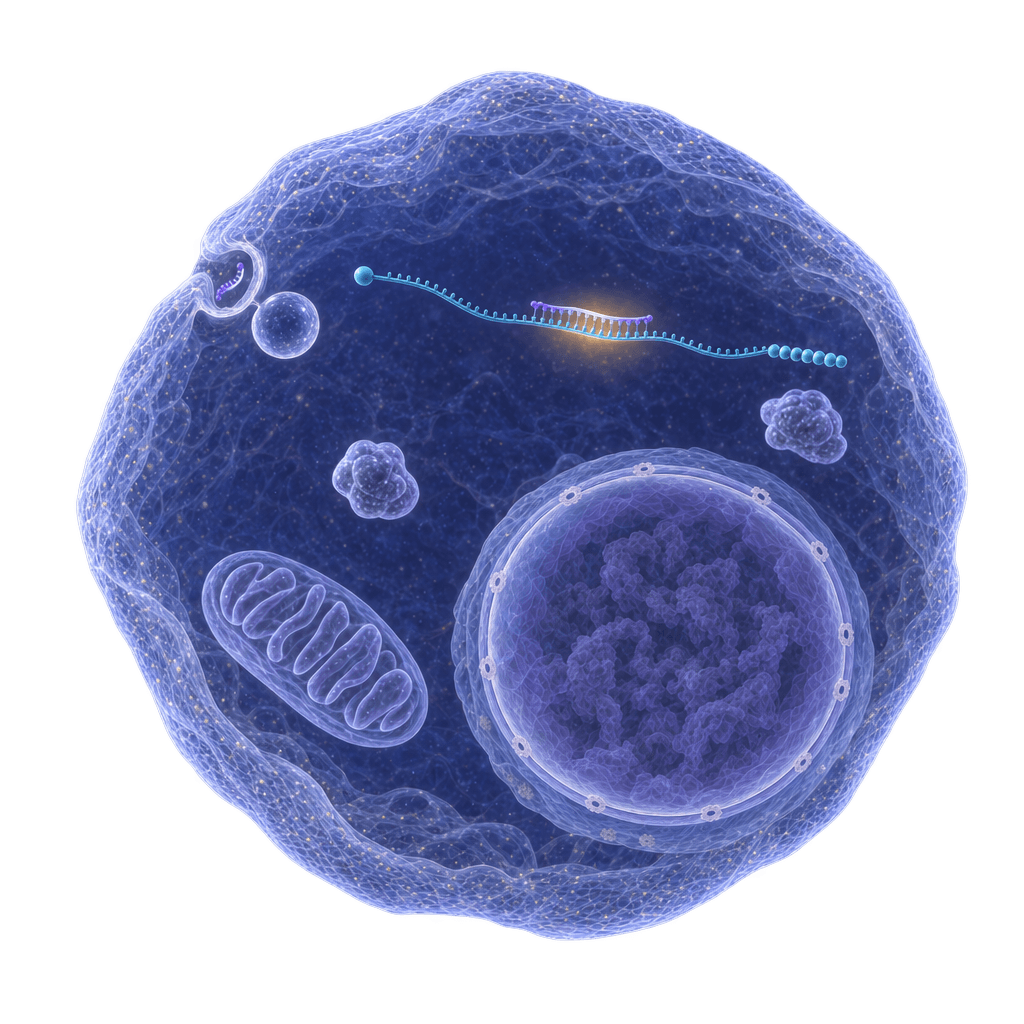
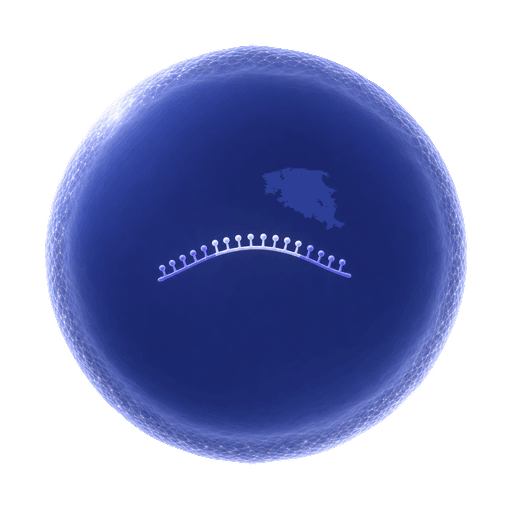
Self-delivering
No lipid-based transfection reagent, electroporation, or viral vector required.
Key advantages over RNAi and gene-editing
The AUMsilence platform against siRNA, shRNA and CRISPR-based methods
Transfection-free delivery
AUMsilence
sdASOs are self-delivering. They are added directly to cell culture or injected in vivo, with no lipid transfection reagent, electroporation, or viral vector. Broad compatibility
AUMsilence
sdASOs are used in cell lines, primary patient cells and animal models. Knockdown is target and cell-type dependent. High specificity and low off-target effects
AUMsilence
sdASOs are scored for specificity against the transcriptome before synthesis. Off-target effects are sequence-dependent and are checked with a non-targeting control. No cytotoxicity at the optimized working concentration
The working concentration is determined by dose titration for each cell type and target. At this concentration AUMsilence sdASOs do not cause cytotoxicity. A reduction in viability reflects the knockdown rather than the chemistry, and the non-targeting control shows whether the knockdown is on target. No transfection reagent, electroporation, or viral vector is required, so the cytotoxicity associated with these delivery methods is eliminated.
Scalable and reversible
AUMsilence
sdASOs are added to the culture medium. No plasmid is constructed and no cell line is engineered, which a CRISPR or shRNA workflow requires. Knockdown by AUMsilence sdASOs is transient and dose-dependent. In-depth control and versatility
Target mRNA with AUMsilence sdASOs, inhibit microRNA with AUMantagomir
sdASOs, or silence long non-coding RNA with AUMlnc sdASOs, for functional genomics, target discovery, and validation.
The research desk
Learn about your target
- Summary
- Transcripts
- Expression
- Protein
- Interactions
- Pathways
- Disease
- Variants
- Constraint
- Orthologs
- MicroRNAs
- Long non-coding RNAs
- Literature
- Explore your target
Drug discovery
Use at each stage of drug discovery
From target identification through preclinical development
- 01
Target identification
Screen genes with sdASO libraries for phenotypic effects
- 02
Target validation
Confirm target role by silencing
- 03
Drug discovery
Evaluate antisense oligonucleotides (ASOs) as candidates in disease models
- 04
Preclinical development
In vivo efficacy with self-delivering ASOs, production at scale for preclinical studies
Self-delivering technology
No transfection reagent, electroporation, or viral vector. Add to cell culture or inject in vivo.
Compatible cell types
Works in primary cells, neurons, immune cells, stem cells, 3D cultures, organoids, and animal models.
Targeted RNA classes
Target mRNA with AUMsilence
sdASO, microRNA with AUMantagomir sdASO, long non-coding RNA with AUMlnc sdASO, and viral RNA with AUMsilence V+ sdASO.
One platform, every stage of drug discovery: from target ID to preclinical studies
The products
RNA silencing products
Self-delivering antisense oligonucleotides (sdASO)
Self-delivering antisense oligonucleotides (sdASOs) designed using the AUMsilence platform, which enter the cell without a transfection reagent, electroporation, or a viral vector.
AUMsilence
sdASO 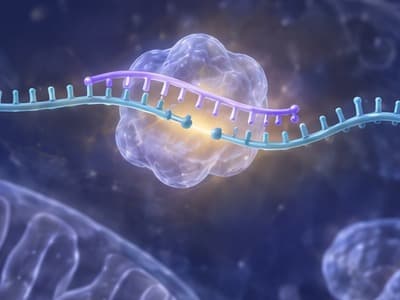
mRNA knockdown
Self-delivering antisense oligonucleotides for mRNA silencing in cell lines and difficult-to-transfect primary cells, with 70-95% knockdown.
AUMantagomir
sdASO 
microRNA inhibition
Self-delivering antisense oligonucleotides for microRNA inhibition and regulation.
AUMmimic
sdASO 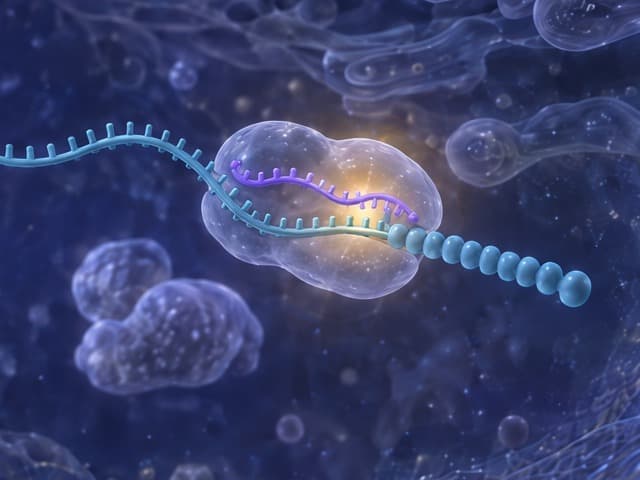
microRNA mimic
Self-delivering antisense oligonucleotides that supply a chosen mature microRNA: the counterpart of AUMantagomir sdASOs, which inhibit one.
AUMlnc
sdASO 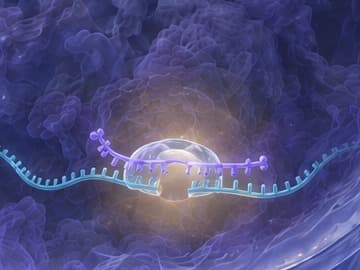
long non-coding RNA knockdown
Self-delivering antisense oligonucleotides that hybridize to lncRNA transcripts and trigger their degradation, in the nucleus as well as the cytoplasm.
AUMblock
sdASO 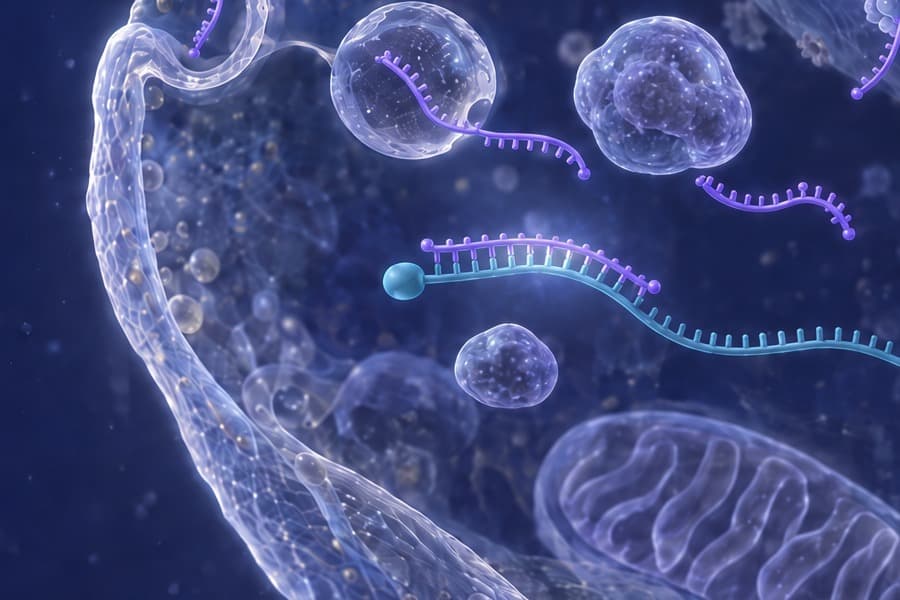
Blocker oligos
Steric-blocking self-delivering antisense oligonucleotides that hybridize to target RNAs and modulate their function without recruiting RNase H.
AUMsplice
sdASO 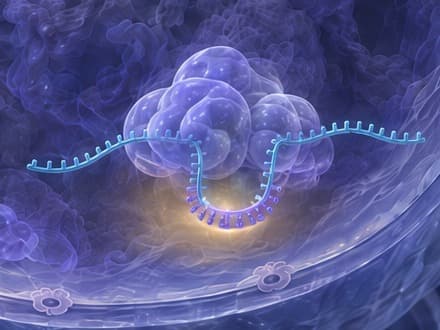
Splice modulation and exon-skipping ASOs
Self-delivering antisense oligonucleotides designed to hybridize to pre-mRNA and redirect splicing, typically by causing a specific exon to be skipped during mRNA processing.
AUMsilence V+
sdASO 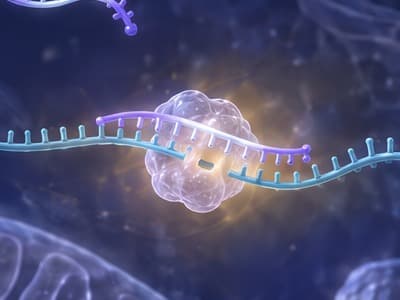
Viral RNA knockdown oligos
Self-delivering antisense oligonucleotides against viral RNA, for virology research and antiviral target discovery.
Transfection-optimized ASOs (toASO)
Budget-friendly options for cost-effective research, delivered with a standard transfection reagent.
AUMsilence
toASO 
mRNA knockdown, transfection-optimized
AUMsilence toASOs optimized for standard transfection protocols, for high-throughput screening and routine lab work.
AUMantagomir
toASO 
microRNA inhibition, transfection-optimized
AUMantagomir toASOs, for pilot studies and screens where a transfection reagent is already part of the workflow.
AUMlnc
toASO 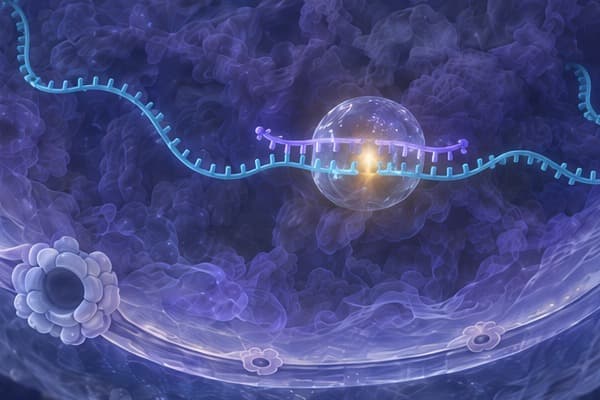
long non-coding RNA knockdown, transfection-optimized
AUMlnc toASOs, the AUMlnc sdASO designs, delivered with a transfection reagent.
Enhanced siRNA technology
Chemically modified siRNA, delivered with a transfection reagent, singly or as a pool of sequences against one target.
AUMsiRNA
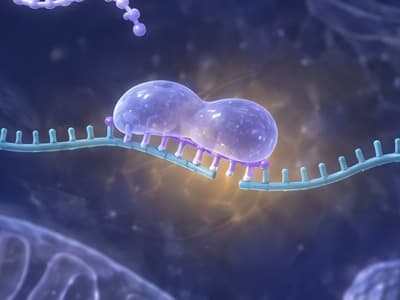
Enhanced siRNA
Chemically modified siRNA, silencing through the RNAi pathway with a transfection reagent.
AUMsiRNA Pool
Pool of sequences
Several sequences against one target in a single tube, for knockdown when a single sequence has not yet been validated.
Conventional antisense oligonucleotides
These antisense oligonucleotides are available in three purification tiers, designed using the AUMsilence platform or made to the supplied sequence.
2'-MOE
2'-O-methoxyethyl antisense oligonucleotides
For RNA knockdown, in desalt, RPC and HPLC purification, from 5 to 1000 nmol.
Locked nucleic acid
Locked nucleic acid antisense oligonucleotides
For RNA knockdown, in desalt, RPC and HPLC purification, from 5 to 1000 nmol.
2'-OMe
2'-O-methyl oligonucleotides
For steric block, splice switching and microRNA inhibition, in desalt, RPC and HPLC purification, from 5 to 1000 nmol.
Bulk synthesis
Nanomoles to multiple grams, custom modifications
Research and preclinical oligonucleotide synthesis, from nanomoles to multiple grams, with custom modifications.
Where it works
Knockdown in difficult-to-transfect cells
70-95% knockdown

Neurons and glia
Cortical, hippocampal, motor and dopaminergic neurons; iPSC-derived neurons; astrocytes, microglia, oligodendrocytes
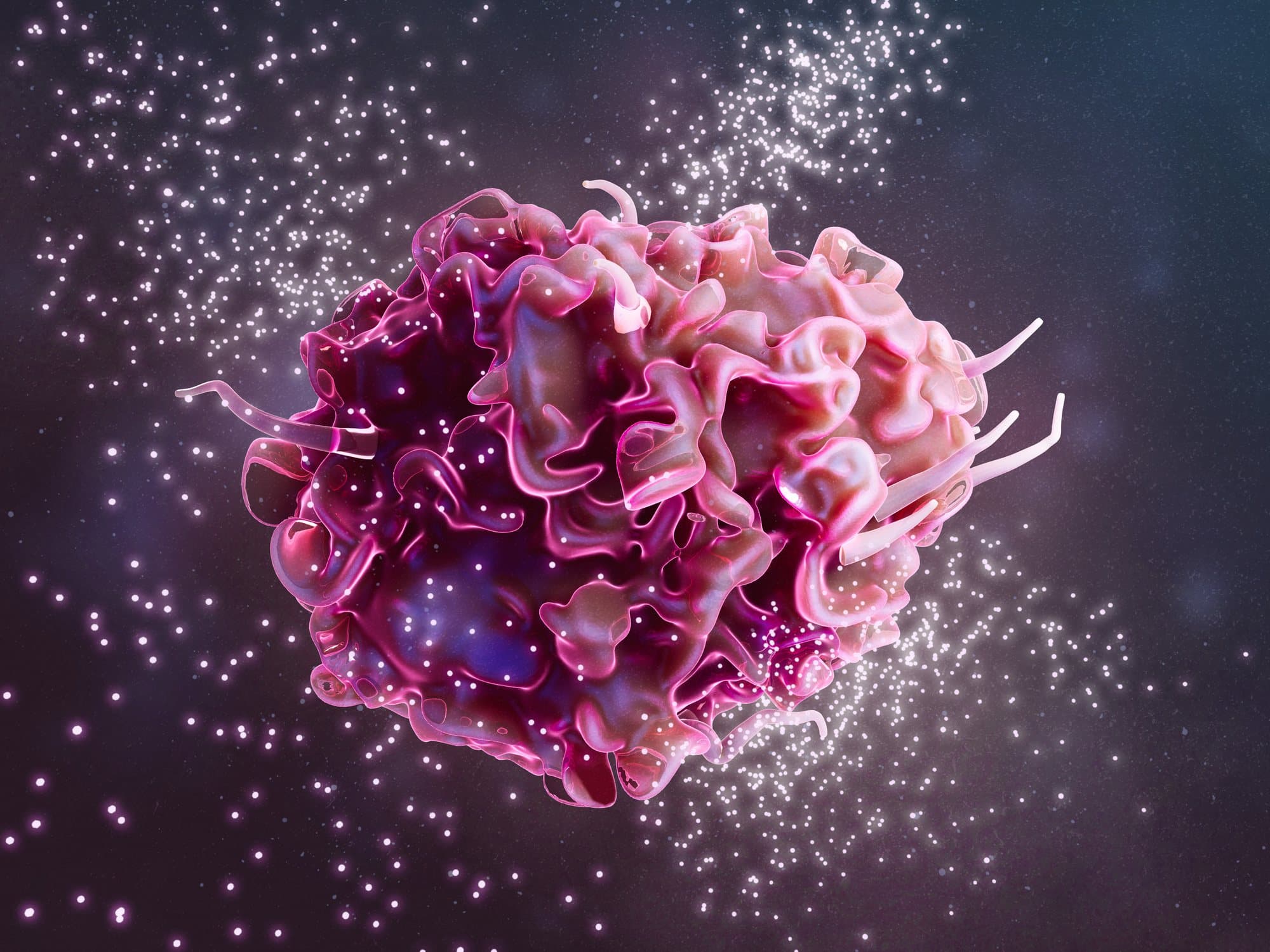
Immune cells
T cells, B cells, NK cells, macrophages, dendritic cells, CAR-T and CAR-NK cells, TILs
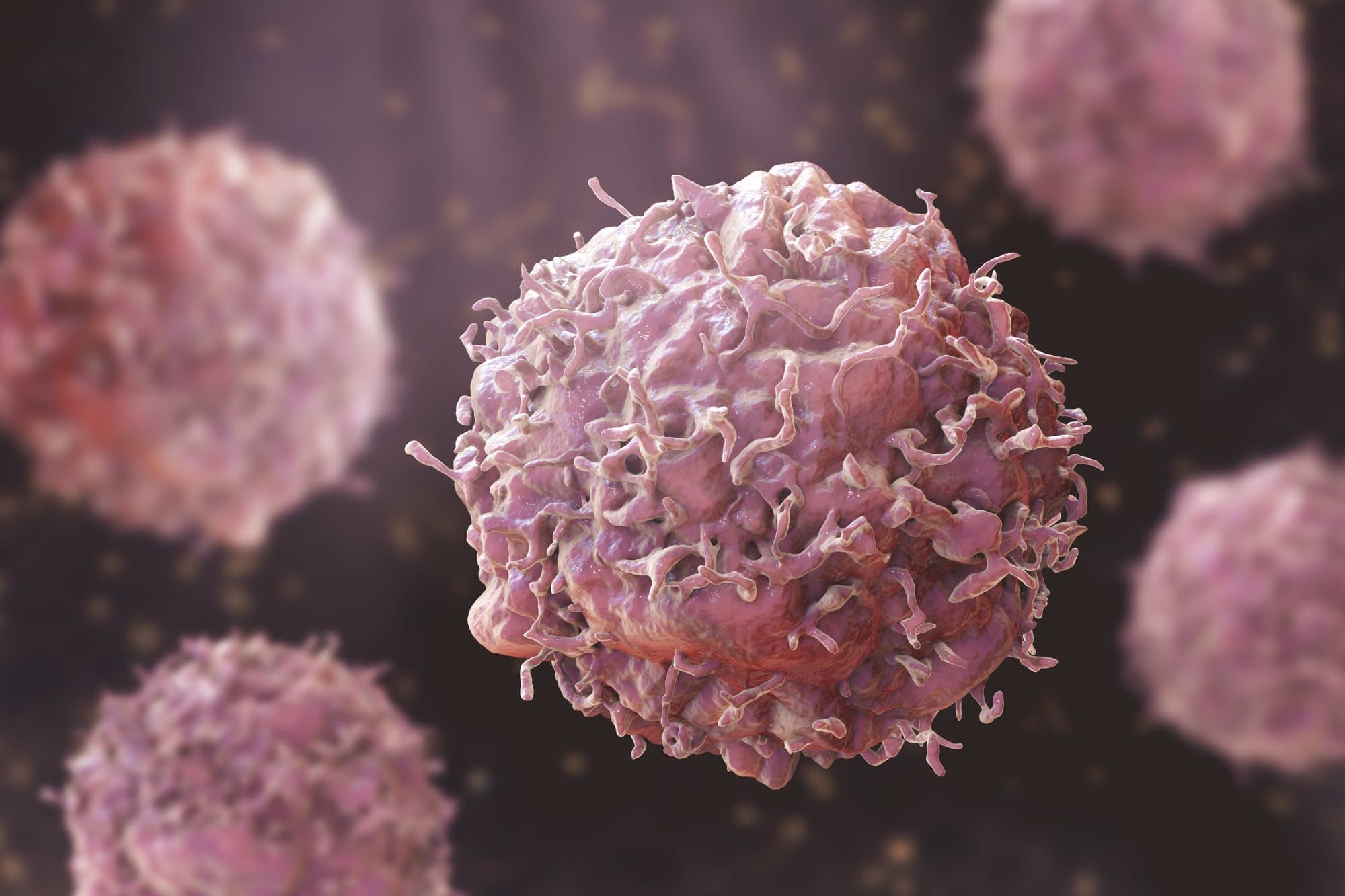
Stem and progenitor cells
Human and mouse ESCs, iPSCs, HSCs, CD34+ HSPCs, MSCs, intestinal stem cells
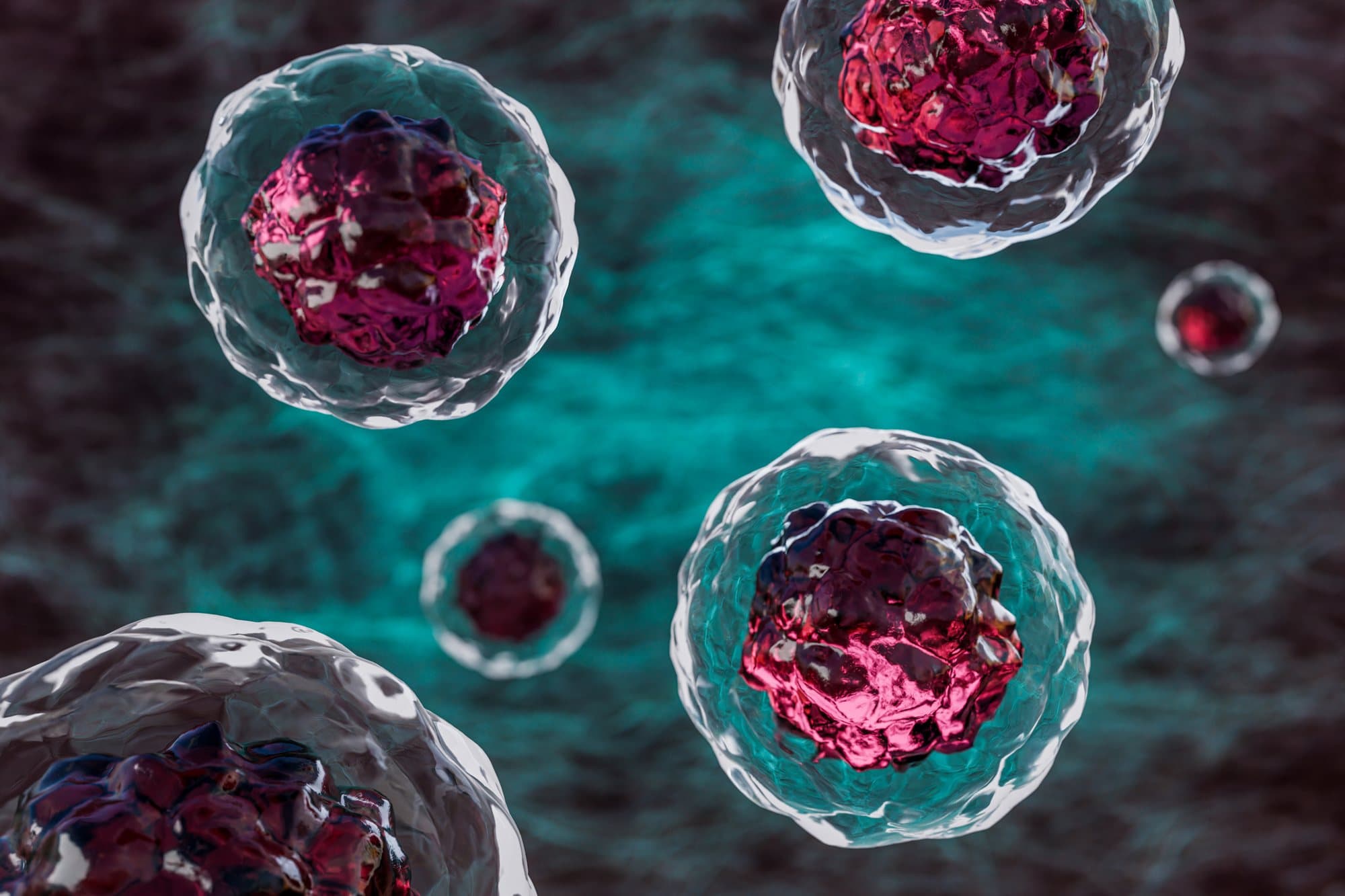
3D models and organoids
Tumor spheroids, patient-derived tumoroids, brain, intestinal, kidney and liver organoids, organ-on-chip
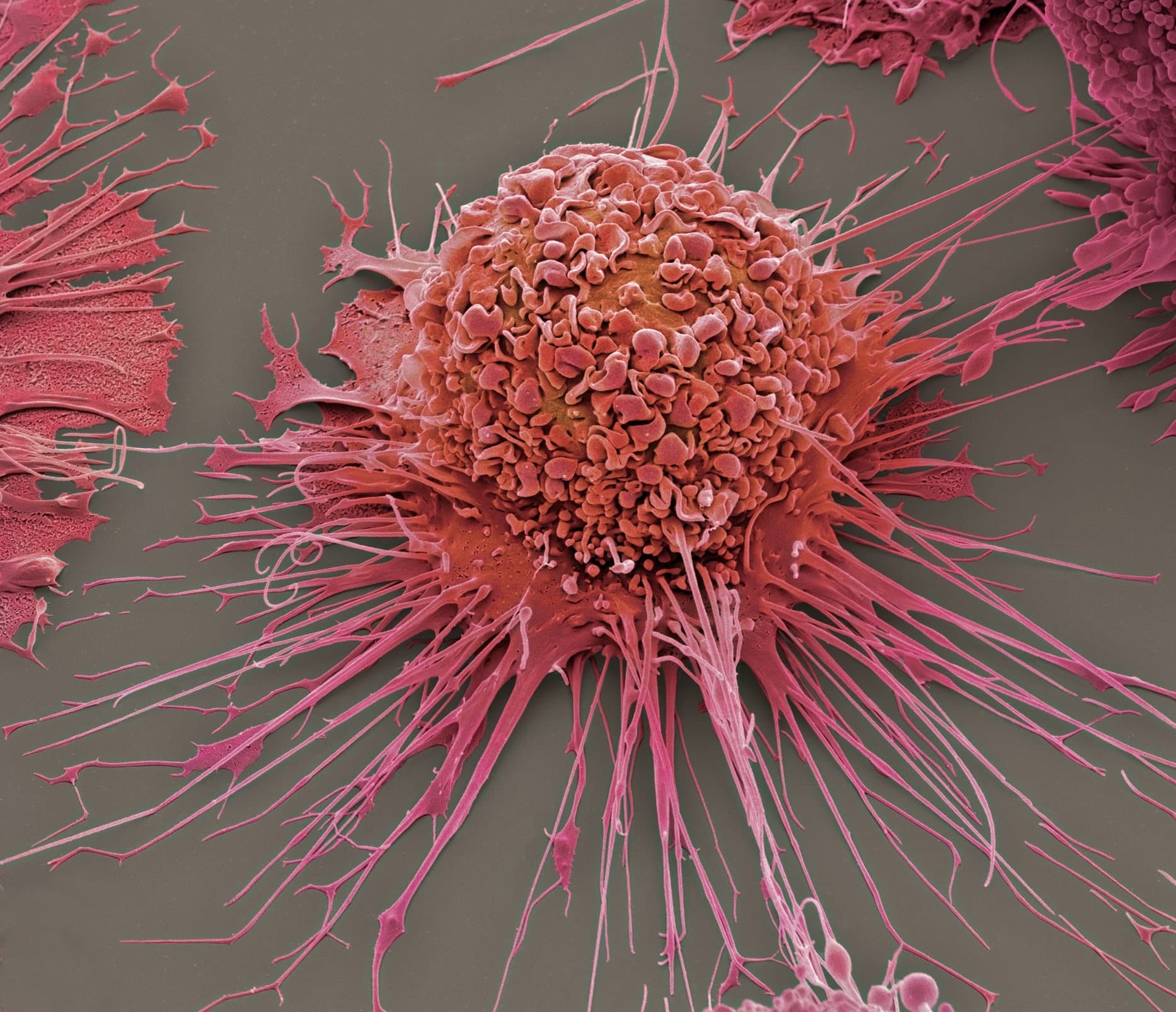
Cancer models
Solid tumors, hematologic malignancies, patient-derived neurospheres and tumoroids, PDX-derived cultures
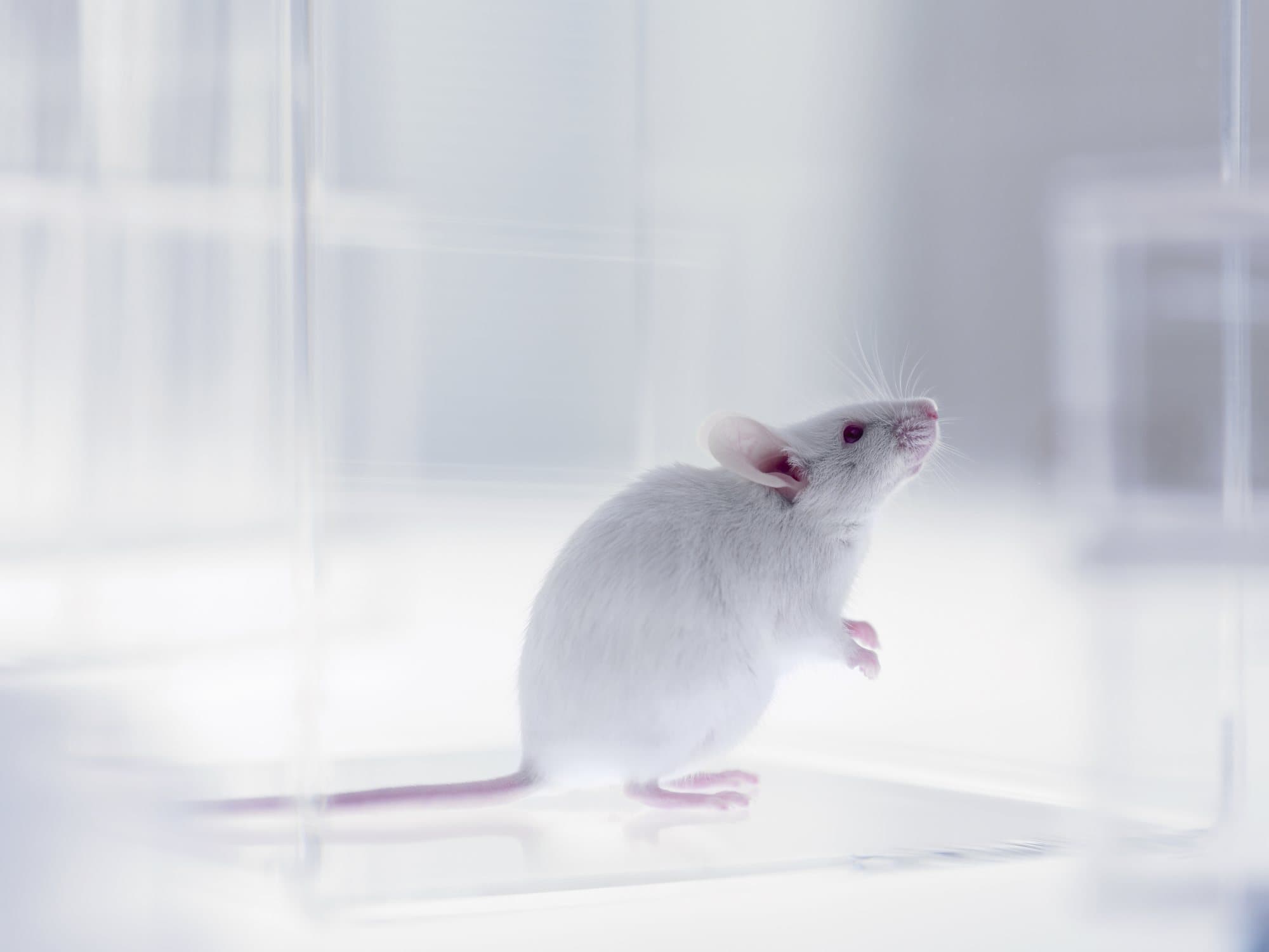
In vivo, no carrier required
12 delivery routes: intravenous, intraperitoneal, intrathecal, stereotaxic, intranasal, intravitreal and more
Every compatible cell type, 3D model, organoid and delivery route, with the in vitro workflow and the administration sites.
See where it worksResearch applications
Applications by research stage and research field
- 01
Basic fundamental research
- Gene function studies
- Pathway dissection
- RNA biology discovery
- Mechanism of action
- 02
Translational research
- Target validation
- Biomarker discovery
- Disease modeling
- Preclinical studies
- 03
Preclinical research
- Candidate development
- Patient-derived models
- Preclinical candidate testing
- Scale-up for preclinical work
Research fields
Cancer research
Target oncogenes and tumor suppressors in solid tumors, liquid cancers, and metastatic models
Neurodegenerative diseases
Study Alzheimer's, Parkinson's, ALS, and Huntington's disease mechanisms in neurons and glial cells
Viral infections
Investigate host-pathogen interactions and antiviral targets for COVID-19, HIV, influenza, and emerging viruses
Immunology
Modulate immune responses in T cells, B cells, macrophages, and dendritic cells for target discovery
Stem cell biology
Control cell fate decisions, iPSC differentiation, and developmental pathways with reversible gene silencing
Gene regulation
Dissect miRNA networks, lncRNA functions, and regulatory cascades
AUMsilence
Products
The three product types
Self-delivering, transfection-optimized, and siRNA
- Self-deliveringNo reagent
AUMsilence
sdASO In cell culture and in vivo
Self-delivering antisense oligonucleotides. Add to cells or inject in vivo: no carriers needed.
- No transfection required
- 70-95% knockdown
- Works in primary cells
- In vivo ready
- siRNAWith a reagent
AUMsiRNA
Singly or as a pool against one target
Chemically modified siRNA, silencing through the RNAi pathway with a transfection reagent.
- Enhanced stability
- Reduced off-targets
- Optimized design
- Proven RNAi pathway
- Transfection-optimizedWith a reagent
AUMsilence
toASO The same designs at a lower price, delivered with a transfection reagent
Antisense oligonucleotides optimized for transfection. Used for pilot and high-throughput experiments.
- Cost-effective option
- Standard transfection
- Reliable knockdown
- Bulk synthesis by quotation
Sequences are designed using the AUMsilence platform.
Why labs choose AUM BioTech
Reproducibility
Consistent knockdown across experiments with minimal batch-to-batch variation
No reagent to optimize
Delivery needs no transfection reagent, so none has to be optimized for the cell type
No equipment to buy
No electroporator and no transfection reagent to buy
The table compares the three on delivery, applications and price.
Compare the productsEvidence
See the publicationsPublished in scientific journals
- Nature
- Science
- Circulation
- Nature Immunology
- Nature Genetics
- Blood
- Cellular and Molecular Immunology
- Journal of Extracellular Vesicles
- Cell Stem Cell
- Nature Communications
- Science Immunology
- Science Translational Medicine
- Science Advances
- Neuro-Oncology
- Acta Neuropathologica
- PNAS
- The EMBO Journal
- Cell Reports
- Blood Advances
- Aging Cell
- Frontiers in Immunology
Support
Support before and after the order
Researchers worldwide publish with AUMsilence
Explore our product pages, or contact our scientific team for a consultation on the target and the cell type.
Consultation and protocol support
A scientist reviews the target and the protocol
- Consultation at no cost
- Custom protocol development
- In vivo optimization support
Works with mRNA, microRNA and long non-coding RNA targets
News by email
New AUM BioTech products, protocols and publications
- Asked for with a box on the account form
- Turned off on the account page at any time